
What Is Legacy Waste Management?
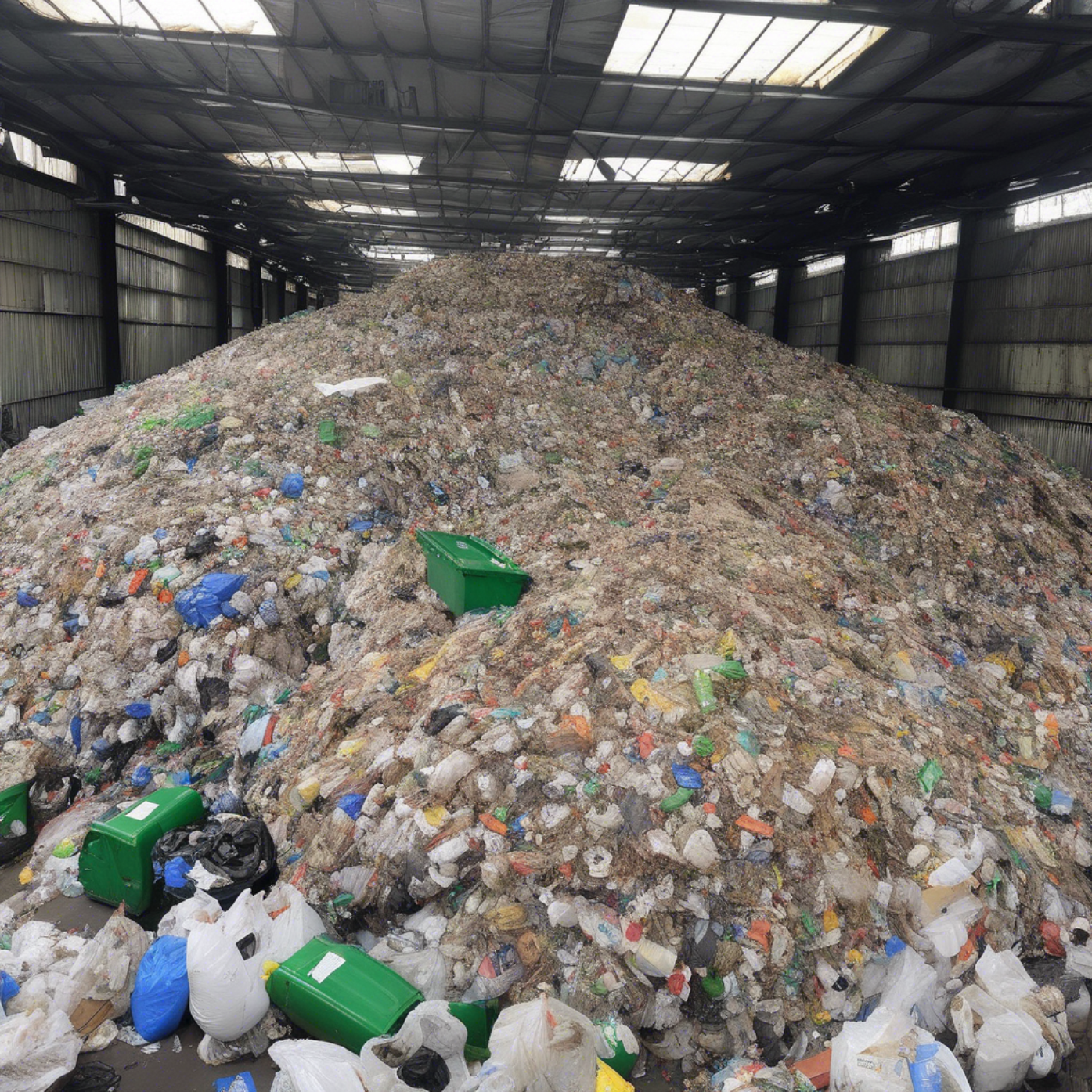
Municipal bodies in India are dealing with large volumes of waste stored at open dump sites over many years. This untreated waste occupies valuable land and creates environmental risks. In many cities, legacy waste management in India has become necessary to address pollution, safety concerns, and growing pressure on landfill capacity.
Why Legacy Waste Is a Challenge for Municipal Bodies
Many Indian cities face pressure due to limited landfill space and growing waste volumes. Legacy waste causes:
Land and groundwater contamination
Fire and odour issues
Unsafe working conditions
Poor use of valuable land
Without proper treatment, these sites continue to affect nearby communities.
Common Methods Used in Legacy Waste Management in India
Municipal projects often follow a step-by-step approach:
Excavation of old waste
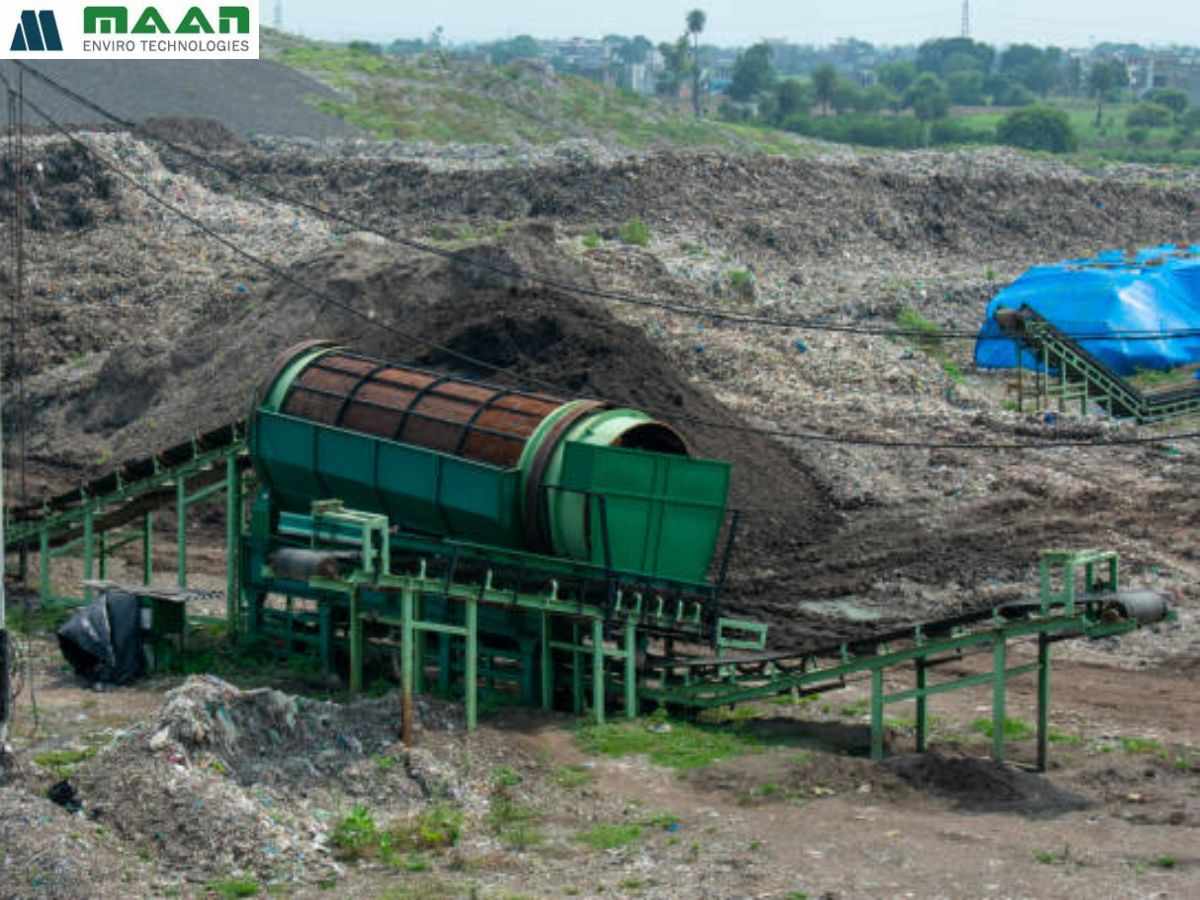
Screening and size separation
Recovery of usable materials
Processing of rejects and inert material
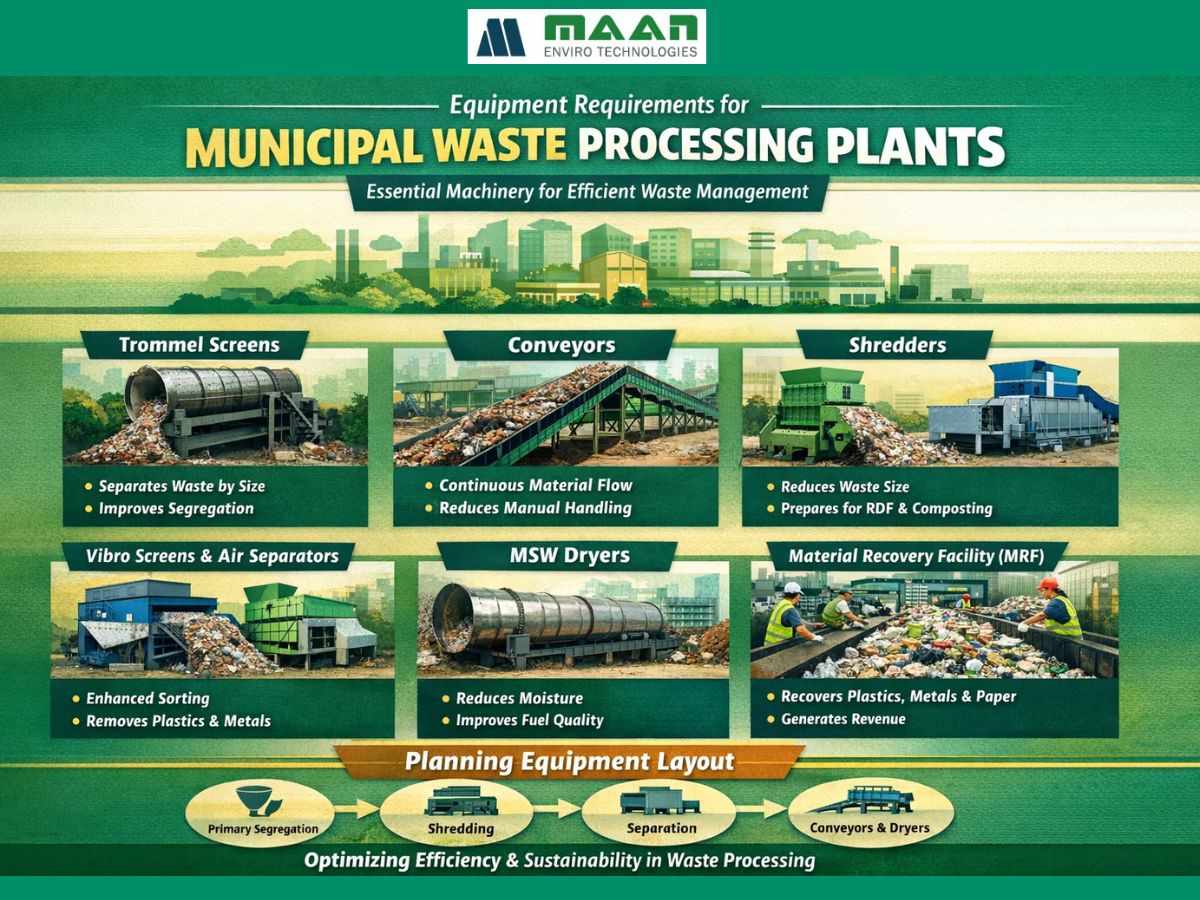
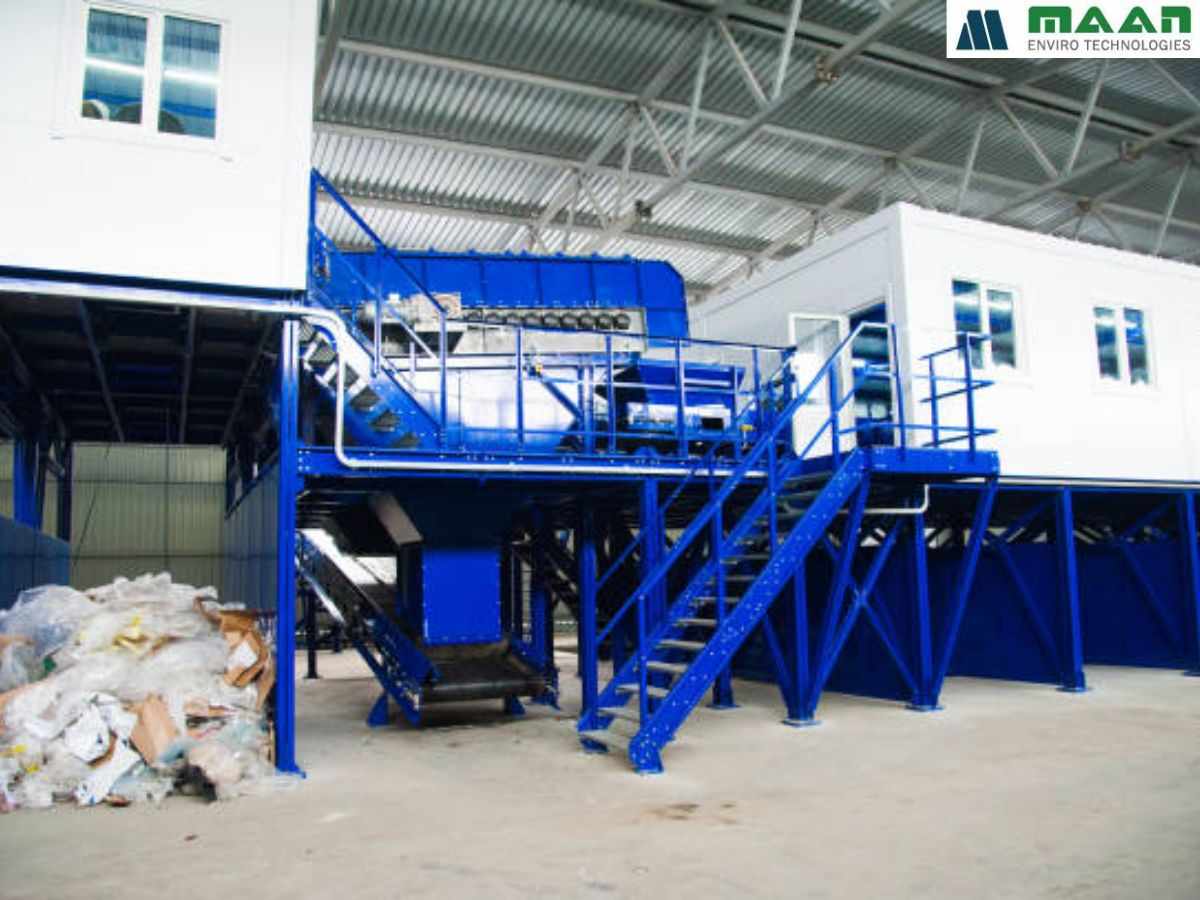
Equipment such as trommel screens, conveyors, and shredders helps improve efficiency during processing.
Role of Biomining and Scientific Processing
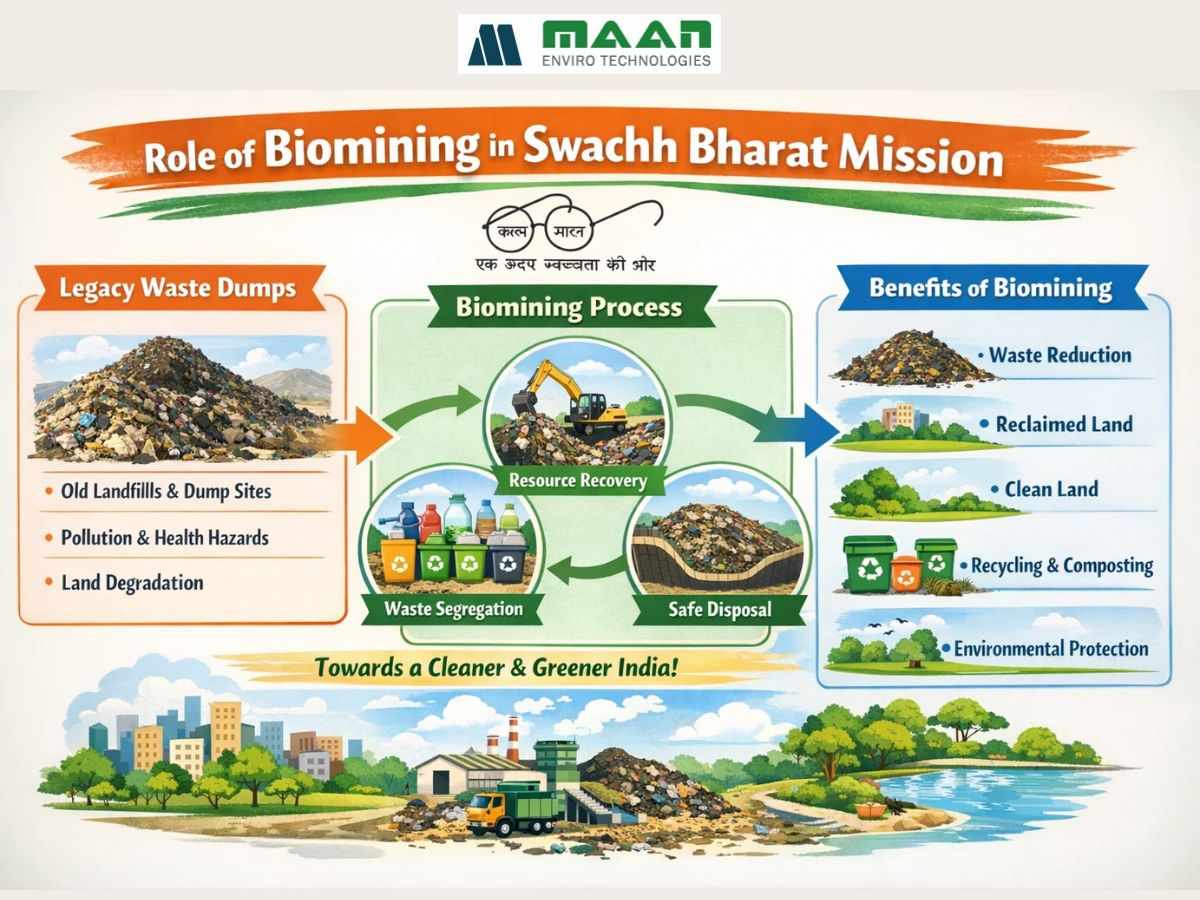
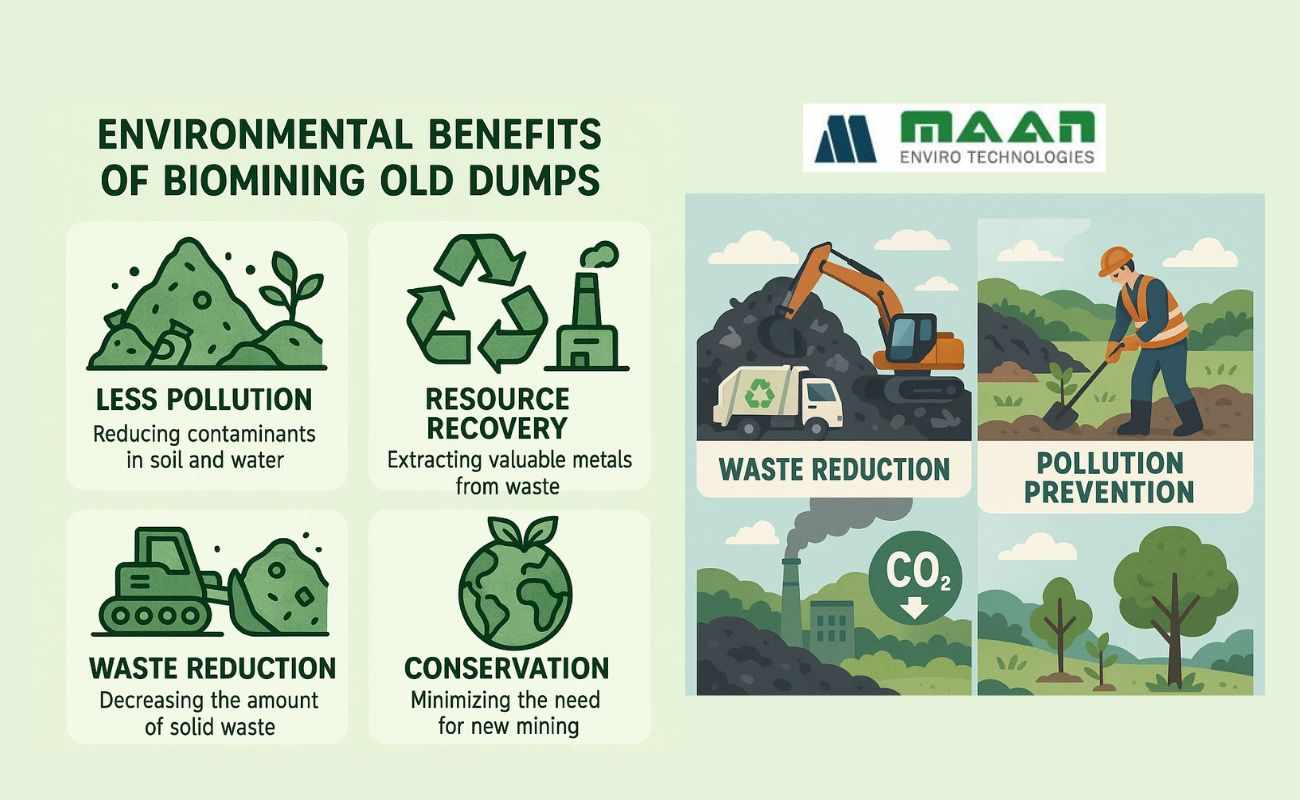
Biomining is widely used in legacy waste management in India. It supports material recovery while reducing landfill height. Recovered fractions may be reused for construction or sent for further processing, helping reduce disposal volume.
Benefits for Municipal Waste Management
Proper legacy waste management:
Frees up landfill space
Improves site safety
Supports better waste handling systems
Helps municipalities meet environmental norms
Closing Note
Legacy waste management solutions play an important role in addressing long-standing municipal waste challenges in India. With planned processing and suitable equipment, old dump sites can be managed in a safer and more practical way.
Write a comment ...