
The Swachh Bharat Mission focuses on improving cleanliness, public health, and waste management across India. While door-to-door collection and segregation are important, one major challenge remains unresolved in many cities: old dump sites filled with legacy waste.
This is where biomining of legacy waste in India plays a clear and practical role. Biomining supports the goals of Swachh Bharat by clearing unsafe dump yards, reducing pollution risks, and making land usable again.
Why Legacy Waste Is a Barrier to Swachh Bharat Goals
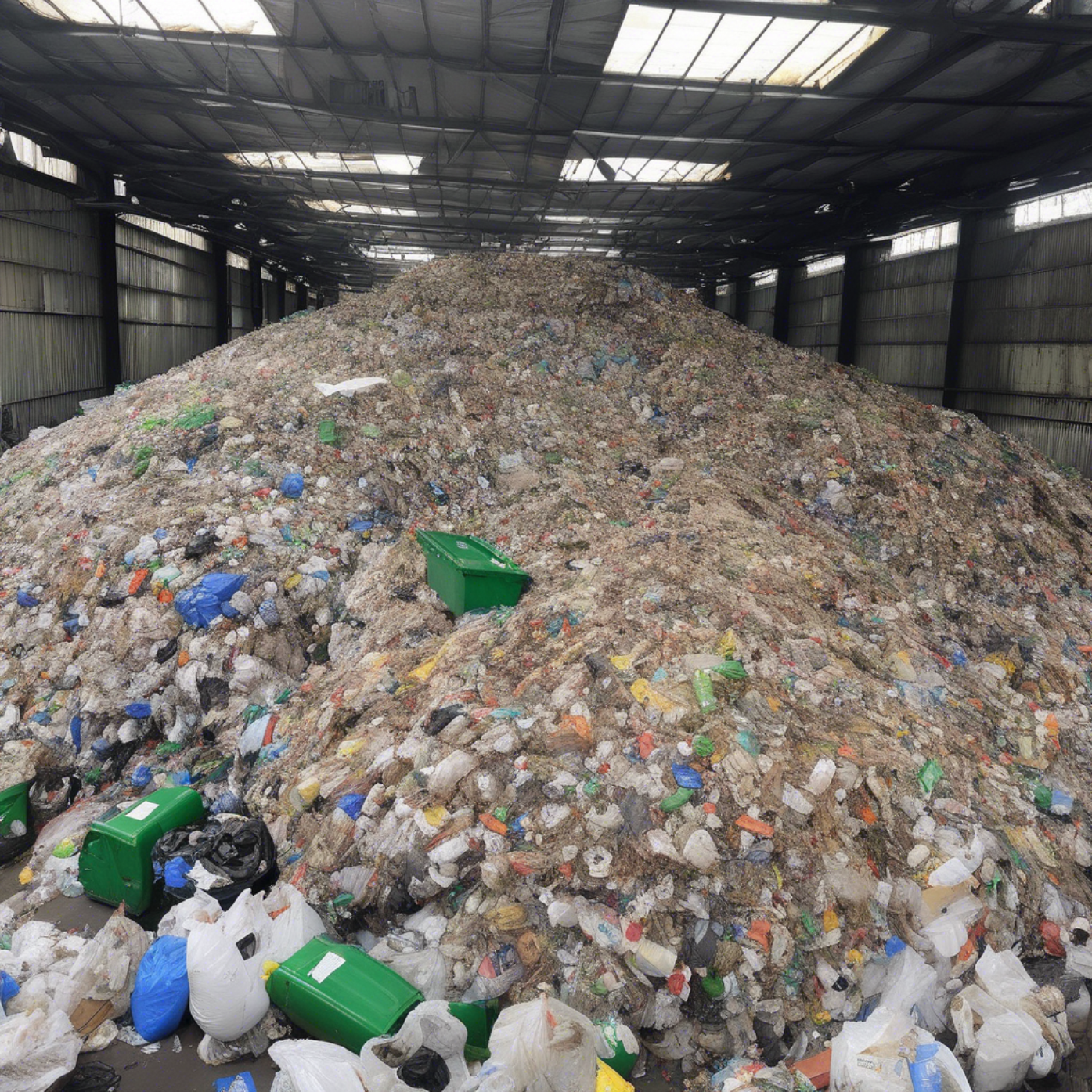
Many cities still depend on open dumping grounds created years ago. These sites work against the objectives of clean surroundings and safe living conditions.
Key Issues Caused by Old Dump Sites
Frequent landfill fires
Strong odour affecting nearby areas
Leachate polluting soil and groundwater
Loss of usable urban land
Direct answer:
Legacy waste prevents cities from achieving long-term cleanliness and environmental safety.
Without addressing these sites, cleanliness efforts remain incomplete.
What Is Biomining in the Context of Swachh Bharat
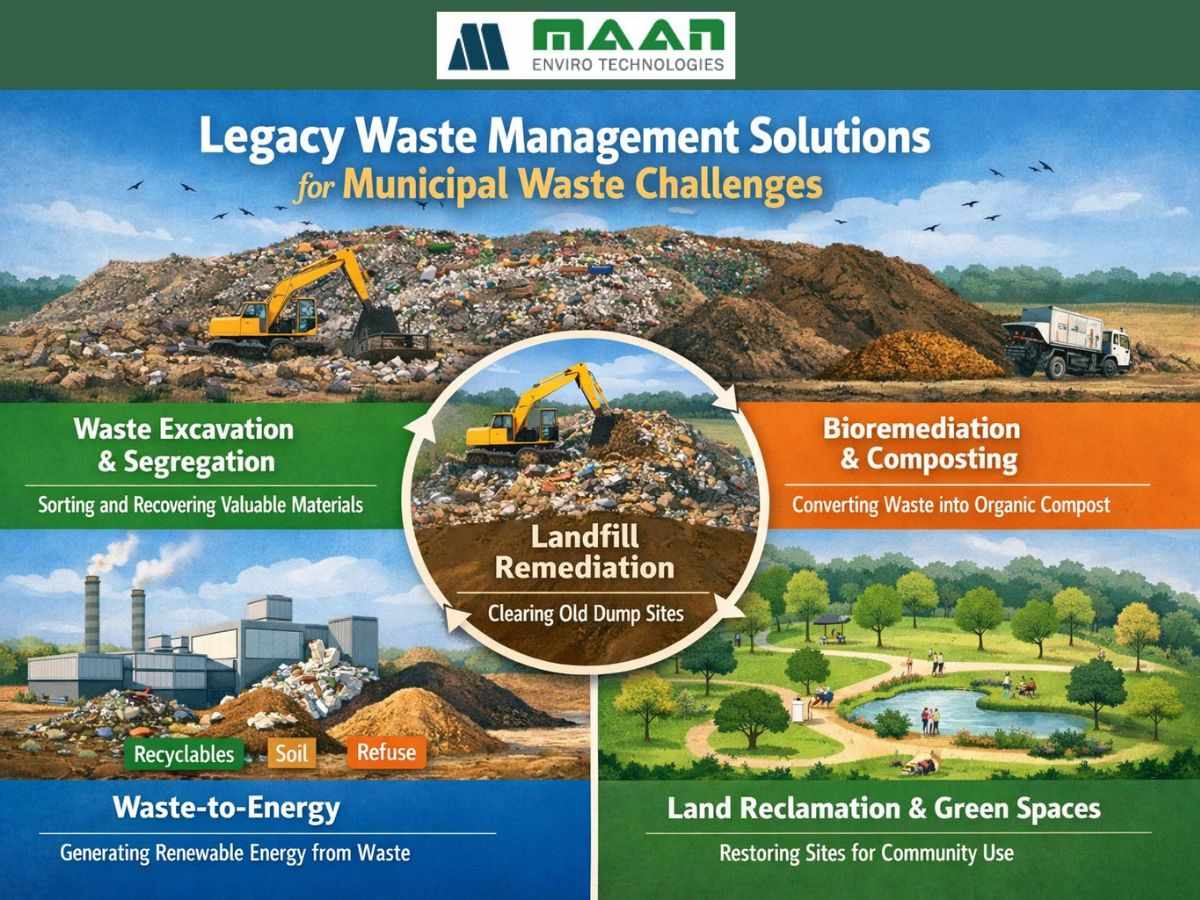
Biomining is a method used to process and clear old waste dumps through excavation, screening, and segregation. Unlike capping, it focuses on removing waste rather than covering it.
Under Swachh Bharat, biomining supports:
Scientific waste management
Reduction of landfill dependency
Safer living environments
This makes biomining a supporting pillar rather than a separate activity.
How Biomining Aligns with Swachh Bharat Mission Objectives
1. Cleaner Cities and Reduced Pollution
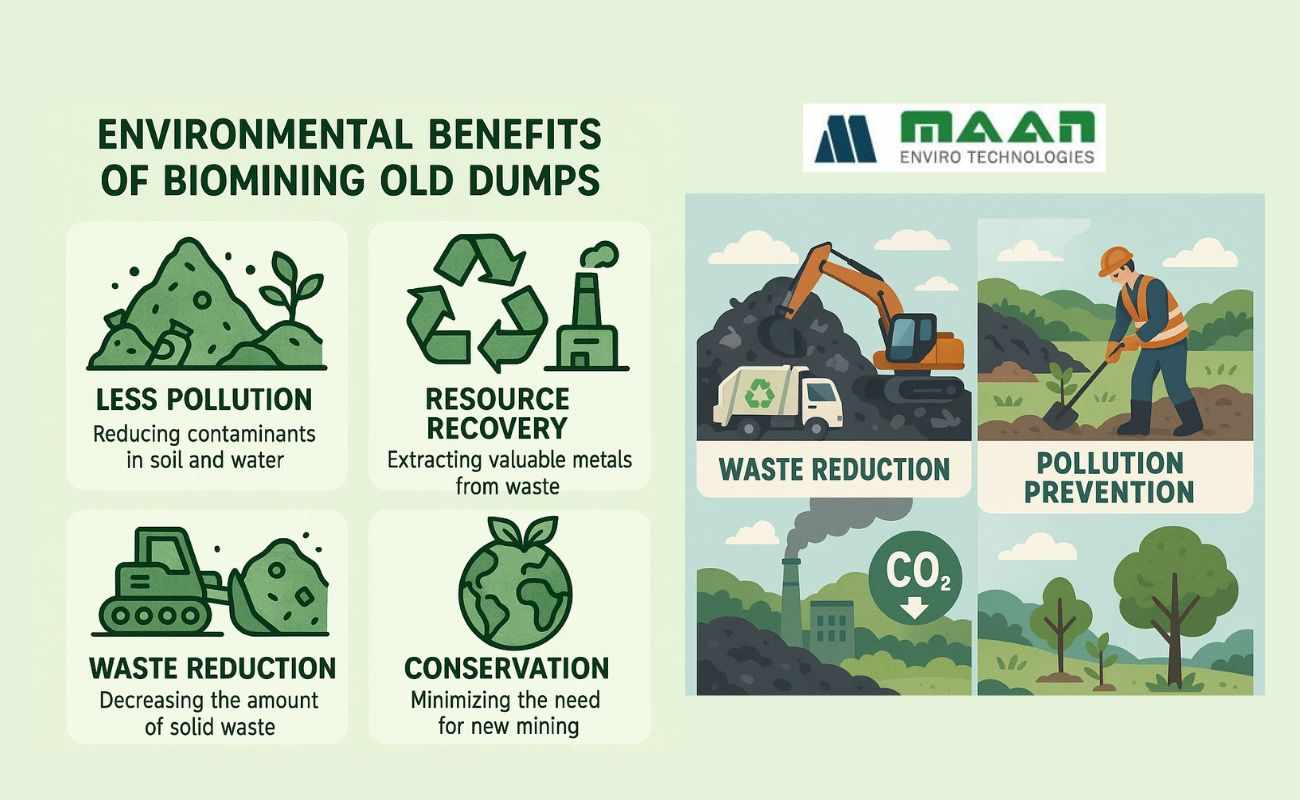
By processing old waste, biomining helps reduce visible pollution, odour, and smoke from dump fires.
Cities that adopt biomining often see quick improvement in surrounding air and land conditions.
2. Scientific Waste Management
Swachh Bharat promotes scientific handling of waste instead of open dumping. Biomining follows this approach by:
Segregating waste mechanically
Recovering usable material
Disposing rejects as per guidelines
3. Land Reclamation and Reuse
Once waste is removed, reclaimed land can be used for:
Green zones
Public utilities
Infrastructure development
This supports planned urban growth under cleanliness missions.
Role of Biomining in Reducing Health and Safety Risks
Dump sites are often located near residential areas. Biomining directly improves public safety.
Fire and Odour Control
Controlled processing lowers methane build-up and decomposition-related smells.
For a detailed explanation, you can also read how biomining controls fire and odour risks.
Reduced Leachate Impact
As waste volume decreases, leachate generation drops, protecting groundwater and nearby water bodies.
Direct answer:
Biomining improves health and safety by reducing fire risk, odour, and leachate from old dumps.
Supporting Swachh Bharat Through Structured Project Execution
Biomining is not a one-day activity. It requires proper planning and phased execution.
Key Project Stages
Site assessment and safety planning
Excavation of legacy waste
Screening and segregation
Material recovery and disposal
Site stabilisation
Each stage supports Swachh Bharat’s focus on systematic improvement rather than short-term cleaning.
Role of Equipment and Technology in Biomining
Efficient biomining depends on the right equipment setup.
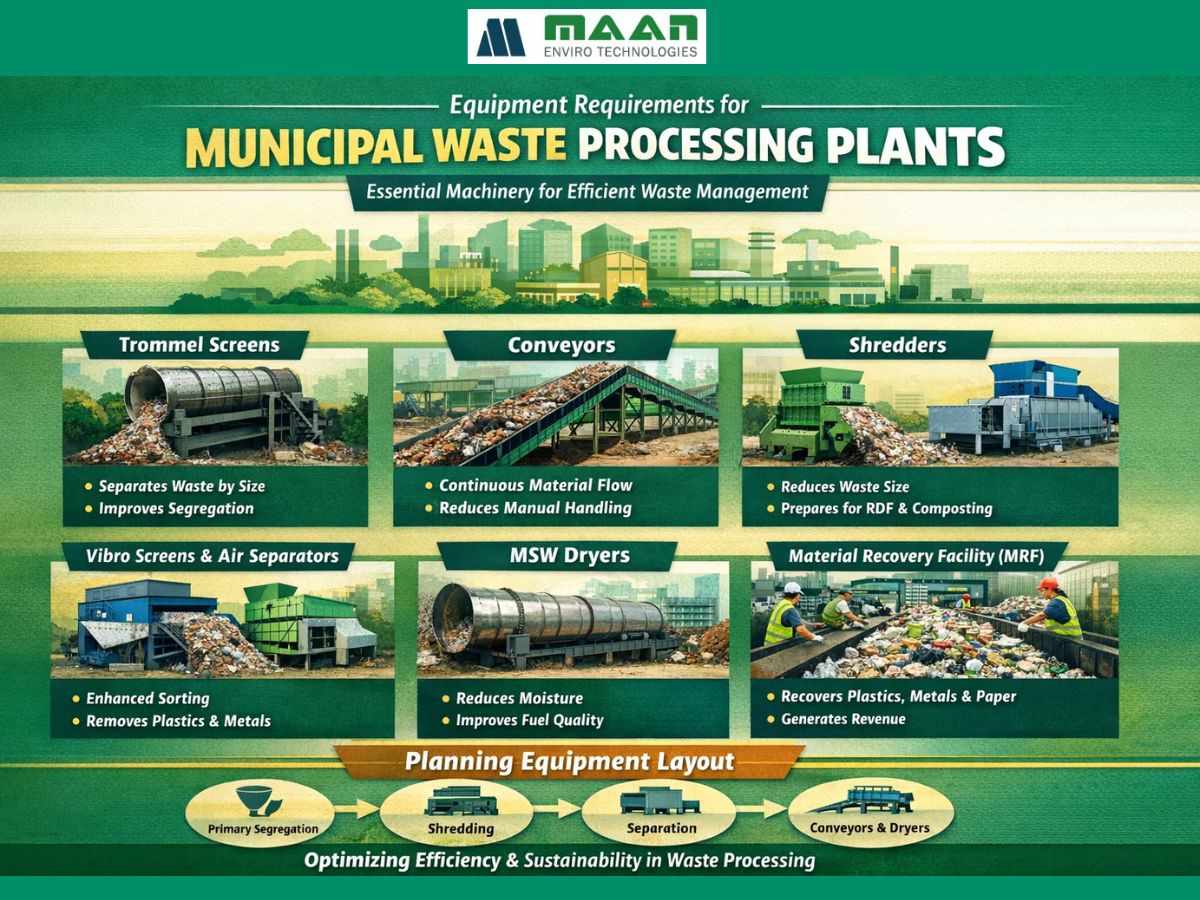
Commonly Used Systems
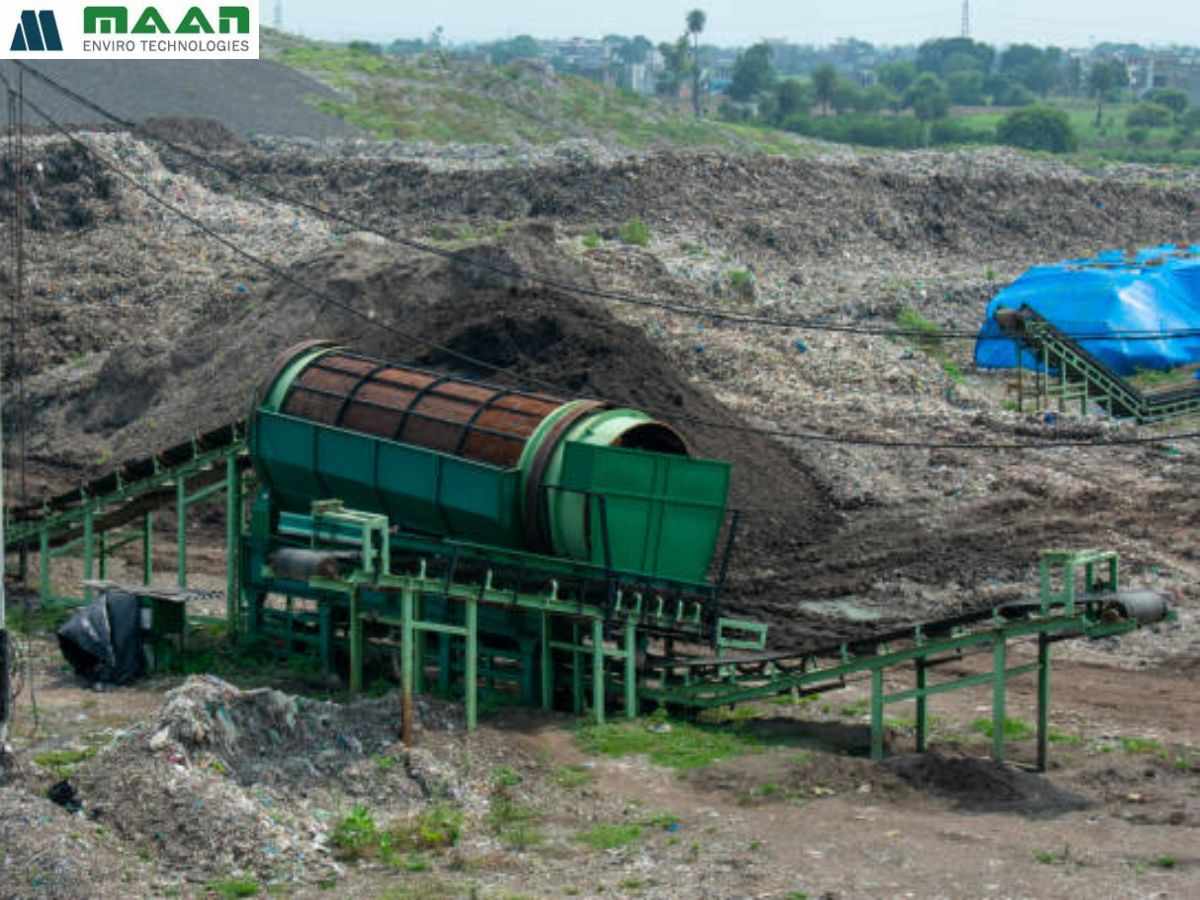
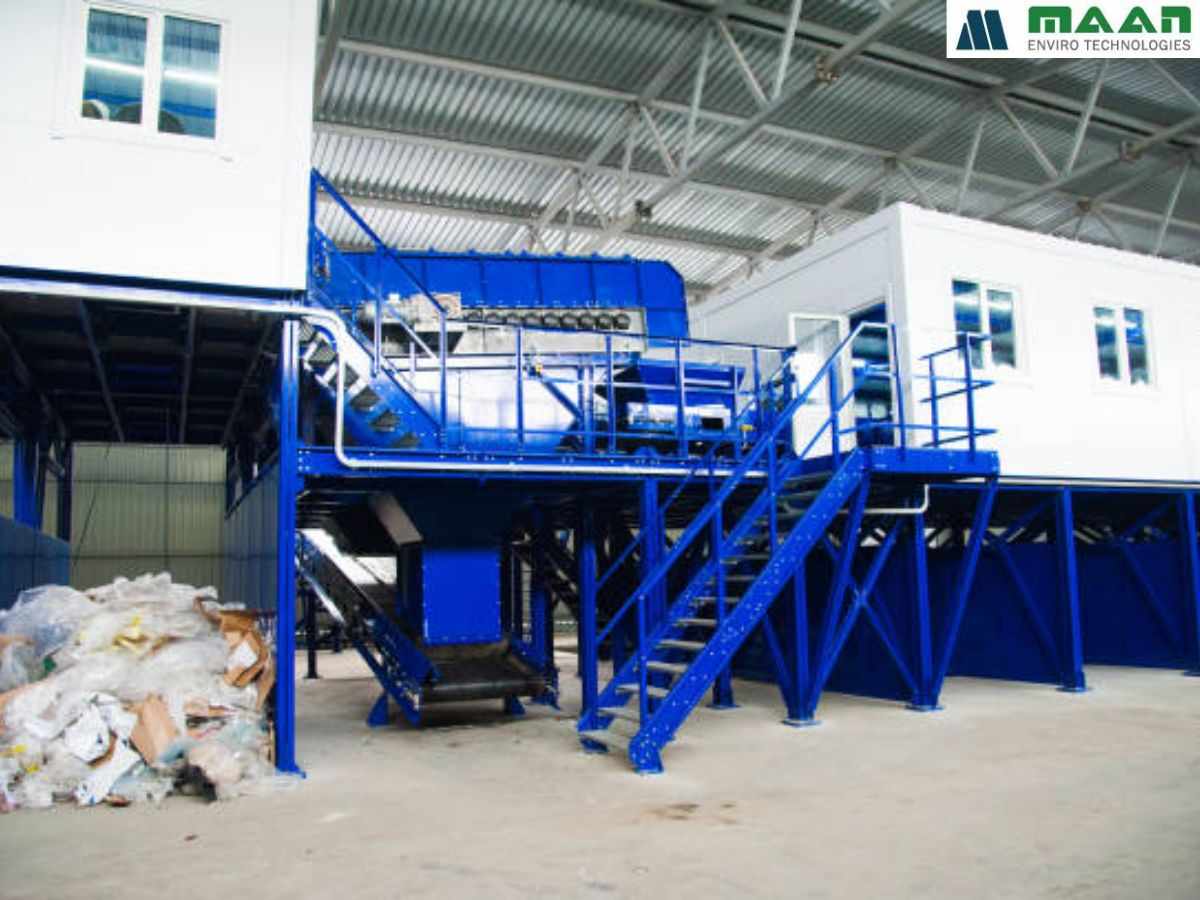
Screening units for size separation
Conveyors for controlled material flow
Magnetic separation for metal recovery
These systems help manage large waste volumes safely and consistently.
Companies such as Maan Enviro Technologies support biomining projects by supplying waste processing equipment and assisting in structured project execution that aligns with national cleanliness goals.
Why Indian Cities Are Adopting Biomining
Biomining of legacy waste in India is gaining attention because it fits real ground conditions.
Works with mixed and aged waste
Can be executed in phases
Reduces long-term maintenance of dump sites
Many urban local bodies now include biomining as part of Swachh Bharat-linked waste management plans.
Common Questions About Biomining and Swachh Bharat
Is biomining officially linked to the Swachh Bharat Mission?
Biomining supports Swachh Bharat objectives by addressing legacy waste, which is a major cleanliness and environmental concern. Many projects are planned as part of broader mission goals.
Does biomining replace regular waste management systems?
No. Biomining focuses on old waste dumps, while regular waste management handles daily waste generation. Both work together to achieve clean city targets.
Long-Term Impact on Urban Cleanliness
After biomining:
Dump-related complaints reduce
Environmental risks decline
Cities gain usable land
Waste management systems become more organised
This creates a visible and lasting impact, supporting Swachh Bharat beyond surface-level cleanliness.
Final Summary
The role of biomining in the Swachh Bharat Mission is both practical and necessary. By addressing legacy waste, biomining removes one of the biggest barriers to clean and healthy cities. When combined with proper waste collection and processing systems, biomining helps cities move closer to the long-term vision of a cleaner India through structured and responsible waste management.
Write a comment ...